
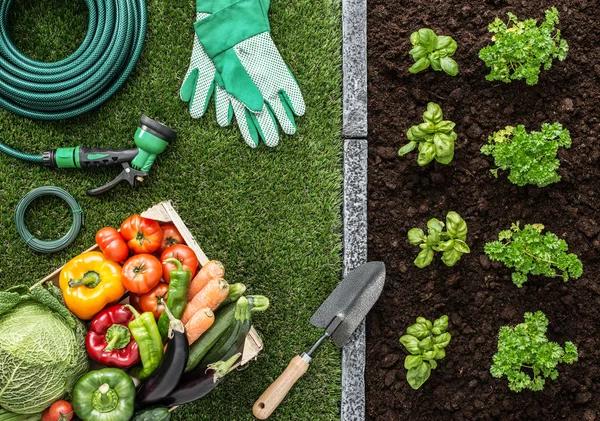
In the world of gardening, the topic of irrigation seems to pop up over and over again, and it’s no wonder why. Efficient watering is a crucial part of maintaining a lush, vibrant garden. Managing water flow is not just about turning on a hose and hoping for the best; it’s about understanding the intricacies of various components like the irrigation manifold and the irrigation check valve. These elements might sound a bit technical, but they are vital for anyone looking to keep their garden thriving. For those interested in diving deeper, a great resource I found is this link which provides valuable insights into garden maintenance.
Understanding the Basics
One of the first things I learned when setting up my garden’s irrigation system was the importance of the irrigation valve manifold. This component is essentially the control center for your water flow, allowing you to direct water to various sections of the garden. By using a manifold, you can manage water more efficiently, ensuring that each plant gets the right amount of hydration. It’s like having a little orchestra conductor for your garden, making sure everything runs smoothly.
The Role of the Check Valve
Another unsung hero in the irrigation setup is the irrigation check valve. When I first came across it, I was a bit puzzled about its purpose. Simply put, it prevents water from flowing backward in the system. This might not sound like a big deal, but it can prevent potential damage and ensure that your irrigation setup functions effectively. Without it, you might find water running back into the system, which can lead to leaks or other issues.
Exploring Manifolds and Valves
In my quest to optimize my garden, I discovered the garden hose manifold. This handy device allows me to connect multiple hoses to a single water source, making it easy to water different parts of my garden without constant reconnections. The garden valve also plays a crucial role here, allowing me to control the flow and pressure of water with precision. These tools collectively help in managing the garden’s water supply, ensuring that every plant is well taken care of.
Practical Tips
For anyone embarking on setting up their irrigation system, here are a few practical tips I’ve learned along the way:
- Plan Your Layout: Before installing anything, map out where you want each part of the system. This will save you time and effort later.
- Invest in Quality: It might be tempting to go for cheaper components, but investing in quality irrigation manifolds and valves can save you headaches down the road.
- Regular Maintenance: Like any system, regular checks and maintenance are key. Look out for leaks or blockages and address them promptly.
What to Keep in Mind Next
As you embark on your irrigation journey, remember that every garden is unique. What works for one might not work for another. Keep an open mind and be ready to adapt as you learn what your garden needs. With the right components and a bit of patience, you’ll have a thriving garden in no time. Happy gardening!